9 Warning Signs Your Heat Pump Is Failing
Key Points
- Nine warning signs your heat pump is failing: ice formation, consistent cycling, unusual noises, strange smells, no airflow, rising utility bills, filter problems, frequent circuit tripping, and poor temperature regulation.
- According to the U.S. Department of Energy, heat pumps that are improperly maintained or operating with refrigerant leaks or airflow problems can lose 10–25% of their efficiency — a direct impact on your monthly energy bill.
- Ice in summer is always an emergency — never run a heat pump with summer ice buildup; if left running, refrigerant pressure drops further, stressing the compressor until it fails completely.
- A burning smell from your heat pump requires immediate shutdown — don't restart until a technician has inspected the electrical components; this is a potential fire risk, not a wait-and-see situation.
- Frequent circuit breaker trips are not a nuisance issue — they indicate a compressor drawing excessive current, a failing capacitor, or an electrical wiring problem, all of which require professional diagnosis.
- Most heat pump problems worsen significantly if the unit is left running after a warning sign appears — acting on early symptoms saves the cost of full system replacement.
- Contact Hickory Heating and Cooling for expert heat pump repair throughout Hickory, NC — call 828-827-5224.
Your heat pump is crucial to living comfortably in any season. So, you'll want to know the moment your heat pump fails so you can fix it.
Keep reading to discover the nine signs your heat pump is failing. If you notice one of them, contact Hickory Heating & Cooling, the best provider of expert heat pump repair in Hickory, NC. Call us at 828-827-5224.
Ice Forming
Whether ice forms in the summer or winter, it's a problem for your heat pump. If it's winter, a thin coat of ice isn't necessarily a problem — the unit has a defroster that should melt the ice. However, if the ice is thick or covers the entire unit, it poses a severe issue.
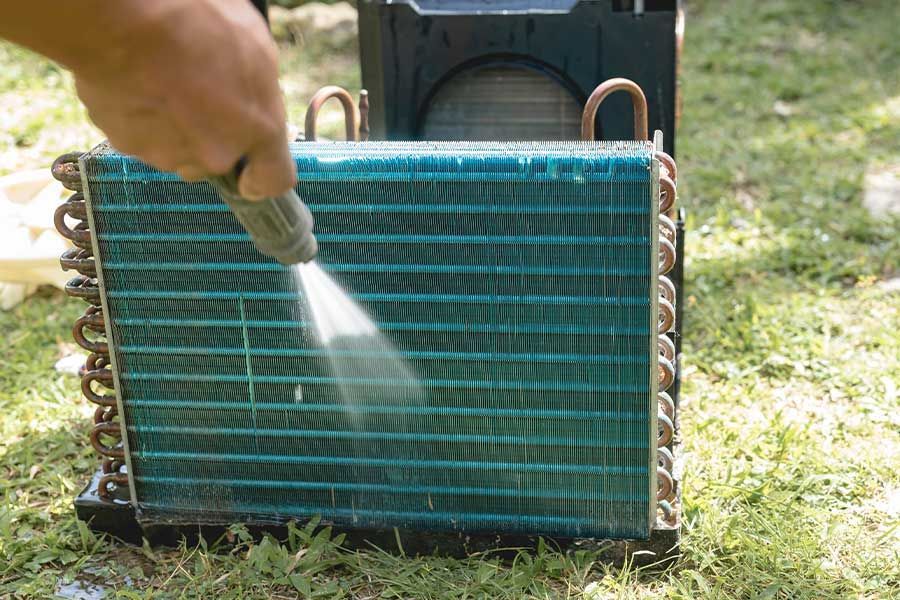
If you see ice in the summer, even if it's a thin layer, it's always problematic. The three primary causes of summer ice are a refrigerant leak, dirty coils, or a clogged air filter.
While a professional can repair the unit, if you keep running it, your heat pump might require complete replacement. Turn it off until a technician fixes the issue.
What's actually happening when ice forms: When refrigerant levels drop — due to a leak — the pressure in the evaporator coil falls below normal, causing the coil temperature to drop well below freezing. Moisture in the air then freezes on contact with the coil. Running the system in this condition forces the compressor to work against an increasingly blocked coil, rapidly accelerating wear. If dirty coils or a clogged AC filter are the cause, the fix is simpler — but only a technician can determine which issue is responsible.
Consistent Cycling
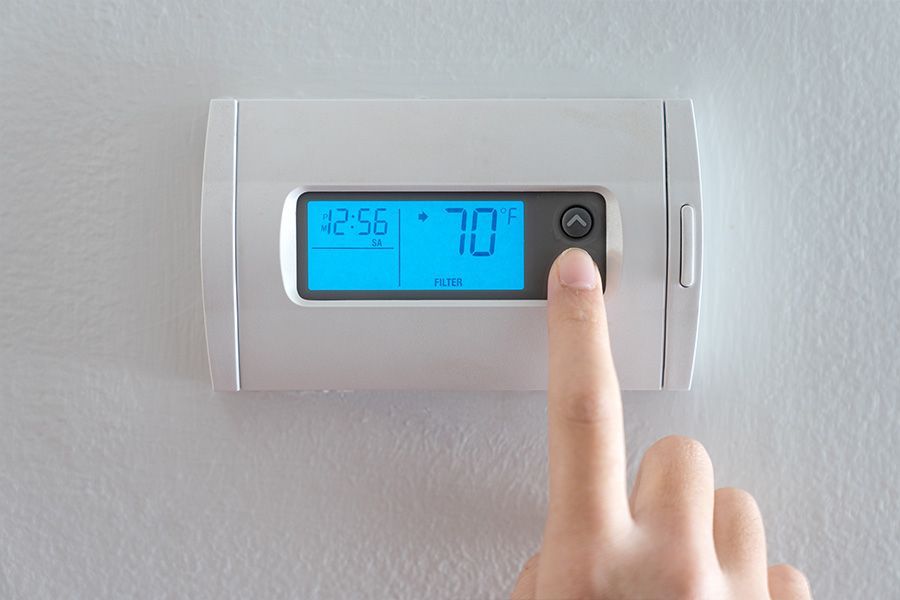
When your unit shuts on and off regardless of the temperature or settings, professionals call it short cycling. Cycling can cause the heat pump to overheat, damaging it beyond repair. Several things can cause this issue, including a faulty thermostat, dirty air filters, or a damaged heat anticipator.
Why short cycling is especially damaging: Every time a heat pump starts, the compressor draws a significant surge of electrical current and experiences mechanical stress during startup. A system that cycles on and off every few minutes repeats this stress dozens of times per hour — wearing out the compressor far faster than normal operation. If you notice your heat pump running in short bursts that don't correspond to reaching the set temperature, contact a technician for heat pump repair before the compressor fails entirely. A thermostat repair is often all that's needed when cycling is the symptom.
It's Noisy
Heat pumps usually operate with a consistent hum. But if you notice any unusual noises, it's time to call an HVAC professional. Bad noises include screeching, buzzing, rattling, flapping, grinding, or in some cases, bubbling.
The problems can range from a loose belt to a poorly lubricated fan or leaking refrigerant.
What each sound typically indicates:
- Screeching or squealing — motor bearing failure or a worn belt; if caught early, lubrication or belt replacement resolves it; if ignored, motor replacement becomes necessary
- Grinding — metal-on-metal contact inside the motor or compressor; requires immediate shutdown and professional evaluation
- Rattling — loose panels, screws, or debris inside the cabinet; often minor but worth inspecting promptly
- Buzzing — electrical issue, loose wiring, or a failing capacitor; never ignore buzzing near electrical components
- Bubbling or hissing — refrigerant escaping through a leak; the bubbling is refrigerant boiling, and the hissing is gas escaping; turn off the system and schedule refrigerant leak repair
It Smells
Does the air blowing from your heat pump smell weird? If so, it's time to call a professional.
Musty and rotting smells are common — they indicate either a mold problem or a dead animal, respectively. However, the most serious is a burning smell. Turn off the unit immediately, and don't turn it back on until a professional service technician solves the problem.
Don't ignore musty odors either: While a burning smell demands immediate shutdown, a persistent musty odor is more than just unpleasant — it indicates mold growing on your evaporator coil or in your ductwork. Every time the system runs, it circulates mold spores throughout your home. This is a genuine health concern, particularly for family members with allergies, asthma, or respiratory conditions. AC coil cleaning addresses coil mold directly, and ductwork inspection can identify whether the problem extends into the duct system.
It's Not Blowing Air
One of the most obvious signs your heat pump is failing is when it stops blowing air. First, check the thermostat and set the fan switch to "on" or "auto." If that doesn't work, you have a problem with your limit switch or plenum — the components that move heated air into your air ducts. Alternatively, the problem might be a broken belt.
Before calling — a quick self-check: Verify the thermostat is set correctly, check that the circuit breaker hasn't tripped, and inspect your air filter for blockage. A completely clogged filter can restrict airflow so severely that the system appears to have stopped moving air. If these basic checks don't reveal the issue, the problem is likely mechanical — limit switch, blower motor, or belt — and requires a professional diagnostic visit.
Increasing Utility Bills
Do you notice your energy bills skyrocketing even if you're not using your heat pump more than normal? Several issues can cause this — the problem might even occur elsewhere in your HVAC system. Only a professional can diagnose and fix the issue.
When your utility bills increase, call a professional immediately. You'll save money in the long run with regular heat pump maintenance and repairs.
What's driving the efficiency loss: A heat pump's efficiency drops when any component forces it to work harder than designed. Common culprits include low refrigerant (makes the system run longer to achieve the same temperature), dirty coils (reduce heat transfer, increasing run time), and leaky ductwork (lets conditioned air escape before reaching living spaces). The DOE estimates heat pumps operating with these issues can lose 10–25% efficiency — a meaningful increase on your monthly Duke Energy bill in Hickory.
Filter Problems
Air filters can cause a multitude of problems, which is why you should replace or clean them at least every three months. Depending on your filter type, you may need maintenance every 30 days.
Signs you need to address your air filter include weak airflow, lukewarm air, or a decrease in air quality — signs of which include worsening allergies or respiratory issues.
How to stay on top of filter maintenance in Hickory: The Catawba County area's spring pollen season and summer humidity mean filters accumulate debris faster than in drier climates. During peak cooling season, inspect your filter monthly rather than quarterly. A visibly grey or clogged filter should be replaced immediately. If you'd rather not track this yourself, Hickory Heating and Cooling offers professional AC filter replacement as part of routine maintenance visits.
Frequent Circuit Tripping
Your heat pump shouldn't require enough power to trip your circuit breaker. While tripping circuits are normal during severe weather or surges in your local power grid, they shouldn't happen regularly in your home.
If your circuit breaker trips frequently, it indicates serious electrical issues. The problem might be within your heat pump, or it could be with your electrical system as a whole. For example, knob and tube wiring is vulnerable to power surges and fires.
If you suffer from power surges, shut off the unit and call an HVAC specialist and an electrician.
Why you should never just keep resetting the breaker: A circuit breaker trips because it detects a dangerous level of current — it's a safety device, not an inconvenience. A heat pump that repeatedly trips its breaker is typically drawing excessive amperage due to a failing compressor, a shorted capacitor, or a ground fault. Each reset without addressing the root cause increases the risk of electrical damage or fire. Shut the unit down, and let a technician diagnose the cause before restoring power to the system.
Poor Temperature Regulation
Your heat pump should heat and cool every room equally. If you notice warm or cool spots in your house, you could have problems with your air filter, thermostat, refrigerant, or a clog somewhere in your ducts.
How to narrow down the cause: If the temperature imbalance affects only one room, the issue is likely localized — a closed or blocked vent, a duct leak near that room, or a damper problem. If the imbalance is widespread, affecting multiple rooms, the cause is more likely system-level — low refrigerant, a failing blower motor, or a thermostat miscalibration. Ductwork repair and replacement addresses leaky or damaged duct runs, which are among the most common causes of uneven heating and cooling in Hickory homes.
Key Takeaways
A failing heat pump gives you nine clear warning signals before it breaks down entirely: ice formation (always serious in summer), short cycling, unusual noises, strange odors, no airflow, rising energy bills, filter-related problems, repeated circuit breaker trips, and uneven temperatures throughout the house. The common thread across all nine signs is urgency — every one of these symptoms worsens when the unit continues to run. Acting on early warning signs almost always saves money compared to waiting for complete system failure. Contact Hickory Heating and Cooling for expert heat pump repair throughout Hickory, NC.
Contact Hickory Heating and Cooling for All Your Heat Pump Needs
Now you know all the signs your heat pump is failing. Whether you need to know about heat pump repair, heat pump maintenance, or a full heat pump installation in Hickory, NC, contact Hickory Heating & Cooling. We'll get you living in comfort once again. Call us at 828-827-5224.