Why Your Thermostat Shows Inaccurate Temperatures in Hickory, NC Homes
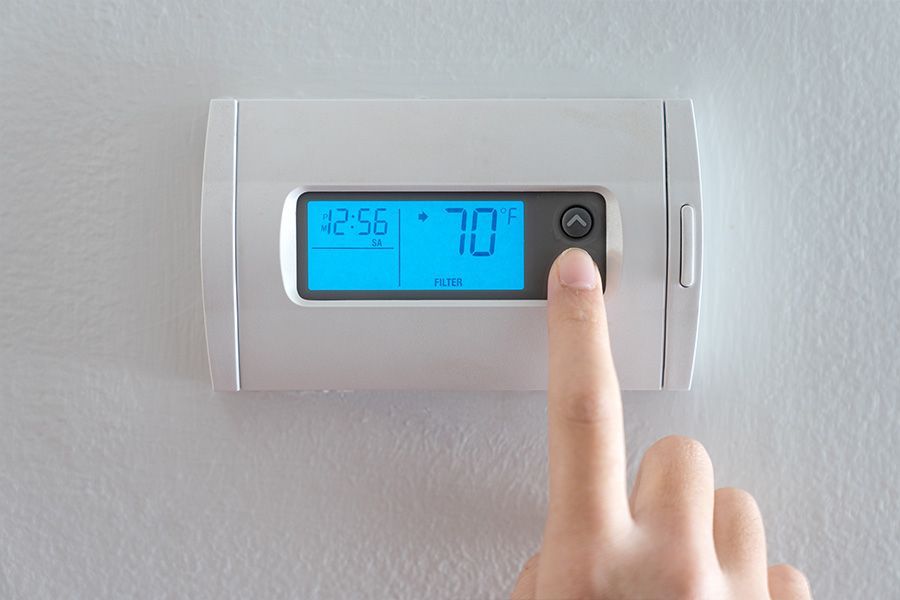
You might think your thermostat's temperature readings are accurate, but that's often not the case. Many factors can lead to discrepancies, leaving you uncomfortable and causing your HVAC system to work harder than it should. From improper placement to dust buildup, these issues can sneak up on you. Understanding why this happens is key to maintaining a comfortable home environment and optimizing energy efficiency. Let's investigate these common causes and what you can do about them.
Common Causes of Thermostat Inaccuracies
When your thermostat displays inaccurate temperatures, it can lead to discomfort and higher energy bills. Several common causes might be at play.
First, dust and debris can accumulate inside your thermostat, affecting its sensors and readings. If your thermostat's location is too close to windows, doors, or heat sources, it may pick up incorrect temperatures from drafts or direct sunlight.
Furthermore, a malfunctioning or outdated thermostat can likewise result in inaccurate readings. Sometimes, the temperature calibration is off, leading to incorrect settings.
If your system's wiring is damaged or loose, it can send false signals to your thermostat. Finally, low or dying batteries can affect overall performance. Regular thermostat maintenance can help prevent these issues and ensure accurate temperature readings.
The Impact of Location on Temperature Readings
The location of your thermostat plays an important role in its temperature readings. If it's placed near drafty windows, direct sunlight, or heat-producing appliances, you might get inaccurate readings.
For instance, a thermostat near a lamp or TV may sense extra heat, causing your HVAC system to work harder than necessary. Similarly, if it's located in a hallway or an area with poor airflow, it may not accurately reflect the actual temperature in your living spaces.
It's vital to position your thermostat in a central spot, away from obstructions. Ideally, it should be about 5 feet off the ground and in a well-ventilated area. This way, it can accurately gauge the temperature and maintain a comfortable environment in your home. If you're unsure about your thermostat's location, consider consulting with a professional from Hickory Heating & Cooling LLC for personalized advice.
How Dust and Dirt Affect Your Thermostat
Dust and dirt can significantly impair your thermostat's performance, leading to inaccurate temperature readings. When particles accumulate on or around your thermostat, they can obstruct its sensors, causing it to misinterpret the actual temperature in your home.
You might notice that your system runs longer than necessary or fails to activate when it should.
Regularly cleaning your thermostat can help maintain its accuracy. Simply dusting off the unit and ensuring it's free of debris can make a significant difference.
If it's a programmable thermostat, check the battery and connections, as dirt can affect these components as well. Additionally, proper maintenance procedures ensure that all unit parts operate in accordance with manufacturer specifications for optimal performance.
Ignoring dust and dirt buildup can lead to inefficient heating and cooling, driving up energy costs.
The Importance of Regular Calibration
Since your thermostat plays an important role in maintaining your home's comfort, regular calibration is essential to ensure it operates accurately.
When your thermostat isn't calibrated correctly, it can lead to uncomfortable temperatures and increased energy bills. By keeping it in check, you can save money and enjoy a cozy environment.
Here are a few reasons why regular calibration matters:
- Accuracy: Guarantees your thermostat reads the right temperature, preventing unnecessary heating or cooling.
- Energy Efficiency: Helps optimize your HVAC system's performance, reducing energy consumption and costs.
- Longevity: Regular maintenance can extend the lifespan of your heating and cooling equipment.
Investing time in calibration can keep your home comfortable year-round. Additionally, regular maintenance can increase energy efficiency, which significantly reduces monthly bills.
It's a simple step that pays off considerably, improving your overall HVAC experience and efficiency.
When to Call a Professional for Thermostat Issues
If your thermostat starts acting up, don't hesitate to call a professional.
It's essential to recognize the signs that indicate a need for expert help. If you notice fluctuating temperatures, a blank display, or if your heating and cooling systems aren't responding as they should, it's time to reach out. Ignoring these issues can lead to bigger problems and higher bills down the line.
Additionally, if you've already calibrated your thermostat but the readings remain inaccurate, it's best to consult an HVAC technician. They've the tools and expertise to diagnose issues that may not be visible to you.
At Hickory Heating & Cooling LLC, our team is ready to assist with any thermostat concerns you have.
We guarantee high-quality service and transparent pricing, ensuring you get the comfort you deserve.
Don't wait until the situation worsens; contact us to restore your home's climate control today!
Conclusion
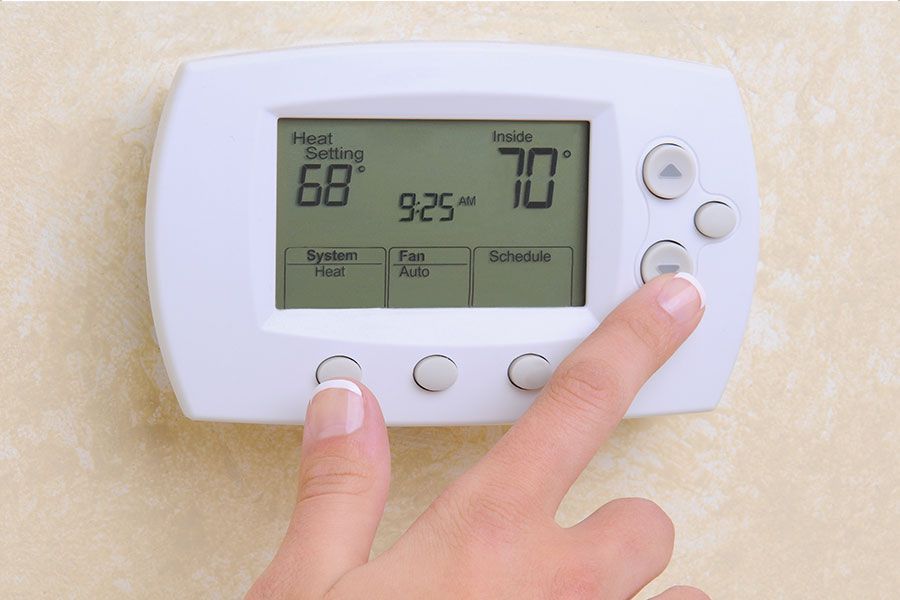
Inaccurate thermostat readings can feel like a pesky fly buzzing around your home, disrupting your comfort. By understanding the common culprits—such as dust, poor placement, and calibration issues—you can tackle these issues head-on. Keep your thermostat clean and properly positioned, and you'll create a symphony of consistent temperatures in your living space. If problems persist, don't hesitate to call a professional; sometimes, a little expert help is just what you need to restore harmony to your home.