How To Patch Large Holes in Ductwork in Hickory, NC?

Key Points
- A large hole in your ductwork causes conditioned air to escape into unconditioned spaces — the U.S. Department of Energy estimates that leaky ducts waste 20–30% of conditioned air in a typical home, directly driving up energy bills.
- Five steps to repair a large ductwork hole: assess the damage, turn off the HVAC system, clean the area, use the right materials, and seal the hole completely — each step matters for a repair that holds long-term.
- For large holes, never use standard duct tape — it degrades quickly with temperature cycling and will fail within months; use aluminum foil tape, a sheet metal patch with HVAC mastic, or a purpose-built duct repair kit instead.
- In Hickory and Catawba County, ductwork in older homes (pre-2000 construction) is especially prone to separation at flex duct connections and at the joints between metal sections — these are the first places to inspect when diagnosing uneven airflow or rising energy bills.
- Three signs that DIY repair isn't sufficient: reduced airflow persists after patching, you notice new strange noises during system operation, or energy bills remain elevated — all indicate underlying duct issues requiring professional diagnosis.
- Ductwork repair is just one part of the picture — air duct cleaning alongside repairs removes the accumulated dust and debris that recirculates through a leaking system, significantly improving both air quality and HVAC efficiency.
- Contact Hickory Heating and Cooling LLC for expert ductwork repair, replacement, and HVAC services throughout Hickory, NC and the surrounding Catawba County area.
A large hole in your ductwork can be frustrating — especially when it affects your HVAC system. If you notice uneven airflow or higher energy bills, damaged ducts could be the culprit. Whether dealing with a small crack or a larger hole, repairing the damage is crucial to maintaining HVAC efficiency and air quality.
This guide from Hickory Heating and Cooling LLC will explain how to repair large holes in ductwork and keep your home comfortable. If you need expert help, our team specializes in
ductwork repair services in Hickory, NC.
How To Repair Large Holes in Ductwork
Fixing large duct holes is not a task to take lightly — but it's manageable with the right tools and steps. First, identify the size and location of the hole to determine the best repair method.
Experts frequently address this issue impacting Hickory homeowners. Here are the basic steps to repair a large hole in your HVAC ductwork:
Step 1: Assess the Damage
Examine the hole carefully to ensure it's the right size for a DIY repair. If the hole is too large or the ductwork is severely damaged, it may be best to call a professional for ductwork repair.
What "too large for DIY" actually looks like: A hole or gap under 4–6 inches with clean, intact edges on both sides is generally manageable with a patch kit or sheet metal repair. Damage that exceeds this — or where the surrounding duct material is brittle, crumbling, or showing signs of long-term moisture damage — typically requires professional replacement rather than patching. Older flex duct with deteriorated inner liners is a particularly common finding in Hickory's pre-2000 housing stock and cannot be effectively patched; it requires section replacement. Also inspect for any asbestos-wrapped ductwork in homes built before 1980 — if you suspect asbestos, do not disturb the material and contact a professional immediately.
Step 2: Turn Off the HVAC System
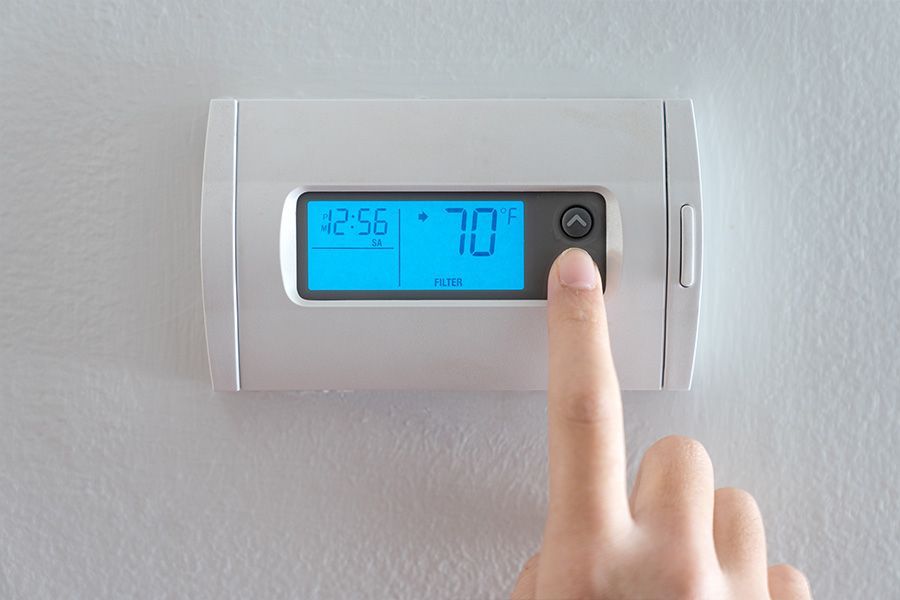
Always turn off your heating and cooling system before making any repairs. This ensures you won't accidentally damage the system or expose yourself to high-energy currents.
How to fully power down: Switch the thermostat to "Off," then go to your electrical panel and turn off the breaker for the HVAC system. For gas furnaces, also locate and close the gas shutoff valve near the unit. Confirm the system is off before working near any duct section — this protects both you and the equipment.
Step 3: Clean the Area
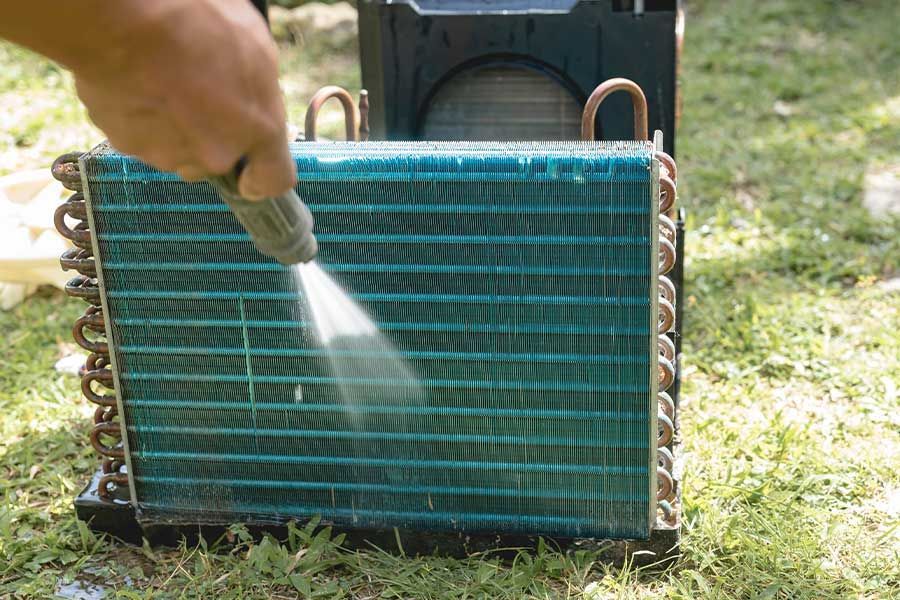
Use a cloth or brush to remove dust, dirt, and debris from the damaged area. Clean ducts will make patching more effective and ensure the patch adheres well.
Why this step is more important than it seems: Duct tape and mastic both require a clean, dry surface to form an effective bond. Residual dust, grease from nearby mechanical spaces, or moisture from condensation will cause even high-quality repair materials to peel or fail within months. Wipe the area with a dry cloth first, then use a clean rag lightly dampened with isopropyl alcohol to remove any oily residue before applying patch materials.
Step 4: Use the Right Materials
For smaller holes, you can use simple aluminum foil tape. For larger holes, it's best to use a patch kit or a piece of sheet metal. Be sure to seal the hole tightly to prevent air leakage.
Material guide for Hickory homeowners:
- Aluminum foil tape (UL-listed) — appropriate for gaps up to approximately 2 inches; adheres well to metal duct surfaces and holds through temperature cycling
- Sheet metal patch + HVAC mastic — the correct approach for holes 2–6 inches; cut a patch from sheet metal that extends at least 2 inches beyond the hole on all sides, secure with sheet metal screws, and seal all edges with HVAC mastic (not standard duct tape)
- Purpose-built duct repair kit — available at hardware stores; includes all materials needed for a proper repair on both metal and flex duct sections
- What NOT to use: Standard cloth duct tape (the silver tape most people have in their garage) — despite its name, it is not approved for HVAC duct use and fails rapidly with temperature changes; UL-listed foil tape and mastic are the approved materials
Step 5: Seal Duct Holes Properly
When sealing duct holes, ensure that the patch covers the entire area and is tightly sealed. Use duct sealant or a special HVAC mastic to hold the patch in place and prevent leaks.
Proper mastic application technique: HVAC mastic is a paste-like sealant applied with a brush or gloved hand. Apply it generously over the entire patch perimeter and any visible gaps, extending at least 1–2 inches onto the intact duct surface surrounding the repair. For large patches, embed fiberglass mesh tape into the wet mastic for added reinforcement before applying a second coat. Allow full cure time (typically 24 hours) before restoring power and running the system.
If DIY repairs aren't your thing, our team offers expert HVAC duct patching in Hickory, North Carolina to restore system efficiency.
The Importance of Proper Ductwork Repair in Hickory, North Carolina
Air duct restoration is crucial — even small leaks can lead to energy waste and air quality issues. Proper repair and sealing of duct holes prevent energy loss, reduce dust and allergens, and improve the overall performance of your HVAC system.
Ductwork repair goes beyond just fixing holes. It's essential to maintaining your home's heating, ventilation, and air conditioning systems. Additionally, improper repairs can lead to recurring issues that require more frequent fixes.
Regular maintenance and timely ductwork repair are necessary for the long-term health of your home's HVAC system.
Don't overlook the importance of fixing air duct leaks early. If you're unsure about your ability to patch large holes in ductwork, it's a good idea to seek professional help. Air duct cleaning is also beneficial for your home's health — and is worth scheduling alongside any duct repair work.
Why duct repair is especially impactful in Hickory's climate: Catawba County experiences both hot, humid summers and cold winters, meaning your HVAC system works hard in both heating and cooling modes throughout the year. Conditioned air escaping through duct holes into unconditioned attic or crawl space areas is wasted energy in both seasons — and crawl spaces in Hickory's older housing stock can introduce additional moisture and biological contaminants through duct openings. Timely ductwork repair pays dividends year-round, not just during summer. If your system is working hard but not keeping up, an
AC maintenance or
furnace maintenance visit alongside duct inspection gives you the full picture of system health.
DIY Duct Repairs: When To Seek Professional Help
While DIY duct repairs are often possible, it's important to recognize when to call in the professionals. Fixing large holes in ducts might be simple for minor damages — but extensive issues or improper repairs can lead to more serious complications. Experts know how to patch large holes in ductwork so climate-controlled air flows evenly throughout your home.
If you patch the hole but still notice reduced airflow, strange noises, or energy inefficiency, underlying problems may need expert attention. Professional ductwork repair ensures all issues are addressed, preventing recurrence and optimizing HVAC performance.
If you're in Hickory and need comprehensive HVAC solutions — including ductwork repair — our team is ready to help. We specialize in ductwork repairs, including fixing large duct holes and providing HVAC maintenance services to keep your home running smoothly.
When to call immediately rather than attempting DIY:
- The duct damage is in an inaccessible location (inside walls, under a concrete slab, or in a tight crawl space)
- You suspect the ductwork contains asbestos insulation (common in Hickory homes built before 1980)
- Multiple sections of ductwork show damage — this indicates a systemic issue rather than an isolated hole
- Your energy bills have increased significantly over several months despite no change in usage — widespread duct leakage rather than a single hole may be the cause
Key Takeaways
Patching large holes in ductwork in Hickory, NC follows five steps: assess whether the damage is DIY-appropriate (holes over 6 inches or deteriorated flex duct liner typically require professional replacement), shut off the HVAC system fully at both thermostat and breaker, clean the repair area thoroughly with a dry cloth and isopropyl alcohol, use the correct materials (aluminum foil tape for small gaps, sheet metal patch plus HVAC mastic for larger holes — never standard cloth duct tape), and apply mastic generously with mesh tape reinforcement for major patches. The DOE estimates leaky ducts waste 20–30% of conditioned air — a significant year-round cost in Hickory's dual-season climate. Three signs a professional is needed: airflow is still reduced after patching, strange noises persist, or energy bills remain elevated. Homes built before 1980 should be inspected for asbestos-wrapped ductwork before any DIY repair attempt. Contact Hickory Heating and Cooling LLC for expert ductwork repair and replacement throughout Hickory and Catawba County.
Let Hickory Heating and Cooling Handle Your Ductwork Needs
Repairing large holes in ductwork is important for maintaining HVAC efficiency and air quality. While some homeowners may be able to handle simple DIY duct repairs, larger issues or recurring problems require professional attention. When in doubt, trust Hickory Heating and Cooling LLC for your ductwork needs.
If you're struggling with HVAC issues — including the process of placing an HVAC vent — don't hesitate to reach out to us. We know how to repair large holes in ductwork as well as address other common HVAC issues. Call us today for expert ductwork repair and replacement services in Hickory, North Carolina.