Furnace Repair in Lenoir, NC
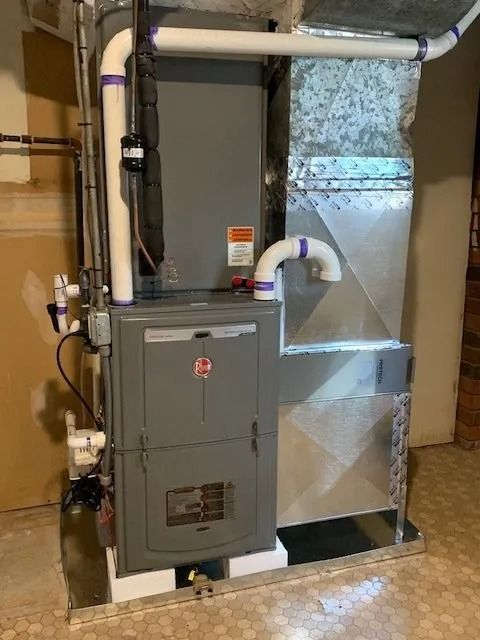
Signs Your Furnace Is Telling You Something Is Wrong
Lenoir sits at the foot of the Blue Ridge Mountains, and when cold air pushes down from the ridgeline in late fall and winter, your furnace has to work harder than systems in lower-elevation communities. A furnace that was keeping up just fine last spring can start showing its age quickly once temperatures drop into the 20s overnight.
Watch for these warning signs that something is off:
- Uneven heat room to room
- Furnace running constantly
- Banging, rattling, or popping sounds
- Burning or musty smell at startup
- Pilot light or ignitor issues
- Unusually high heating bills
- Thermostat not holding temperature
These are not things to put off in Lenoir. A system that is struggling heading into a cold stretch can go from manageable to failed in a matter of days.
CALL NOW!
Common Furnace Problems We Fix Every Day
Caldwell County's elevation and geography create conditions that wear on heating systems differently than you would see in the piedmont. Lenoir averages colder overnight lows than communities just 30 miles east, and that temperature swing between day and night puts repeated stress on heat exchangers, burner assemblies, and blower components over a heating season.
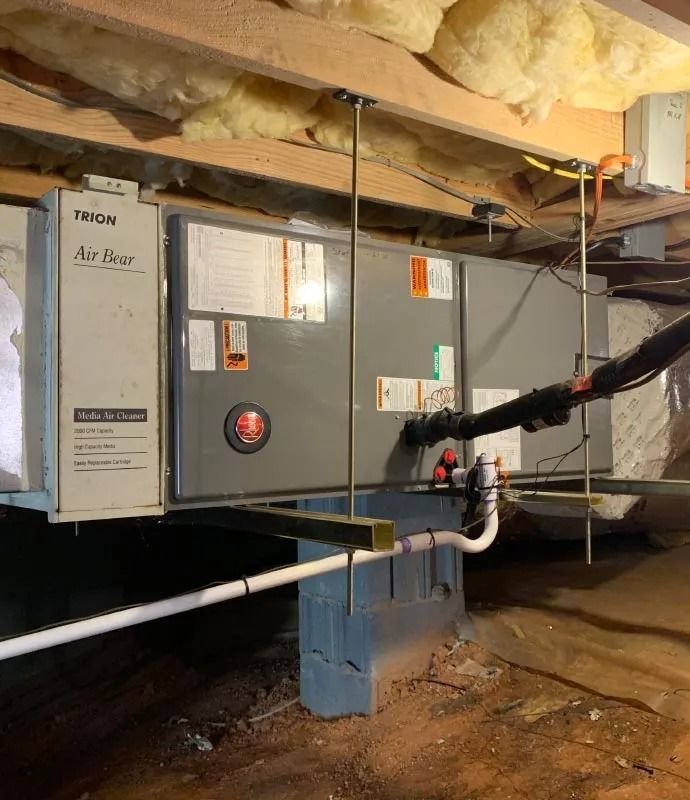
The housing stock in Lenoir tells its own story. A significant number of homes in the area, particularly in the older residential sections near downtown and along the Hibriten Mountain Road corridor, were built in the mid-20th century. These homes often have ductwork that was sized for systems no longer in use, creating airflow imbalances that make even a functioning furnace perform below expectations. Crawl spaces in this area also tend to trap cold air, forcing furnaces to run longer cycles to compensate.
Mountain humidity adds another layer. Lenoir sees a fair amount of fog and moisture during transitional seasons, and that damp air finds its way into mechanical spaces. Rust and corrosion on burner components, gas valves, and flue connections are more common here than in drier climates, and they tend to develop quietly until a cold night makes the problem impossible to ignore.
What Our Furnace Repair Service Covers
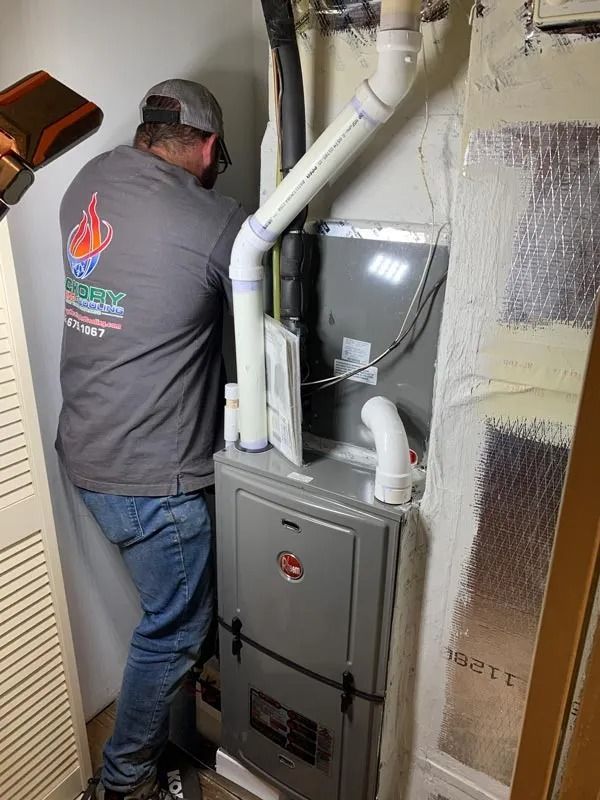
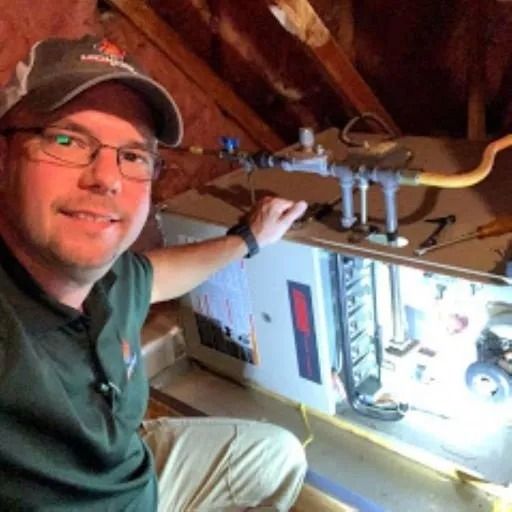
We approach every service call in Lenoir the same way: find the real problem first, then fix it right. We do not swap parts based on guesswork, and we do not recommend replacements when a repair will genuinely solve the issue.
Our technicians diagnose and repair a full range of furnace problems including ignitor and flame sensor failures, cracked or compromised heat exchangers, blower motor issues, gas valve malfunctions, and control board faults. We also check flue venting and combustion air during every visit, which matters especially in older Lenoir homes where venting configurations may not meet current standards.
Once the repair is done, we walk you through exactly what we found, what we fixed, and what your system looks like going forward. Pricing is shared before any work begins so there are no surprises when the job is complete.
When the Heat Went Out on Mulberry Street
Donna called on a Thursday evening in early December after her furnace stopped producing heat mid-cycle. She lived in a two-story home in the Mulberry Street area of downtown Lenoir, a neighborhood of well-kept older homes that tend to have aging but serviceable heating systems. The furnace was cycling on, running for a few minutes, then shutting down before the house reached temperature. By the time she called, the indoor temperature had already dropped to the low 60s.
Our technician arrived the next morning and found a flame sensor that had built up enough oxidation to prevent the burner from staying lit past the initial ignition sequence. It is a failure mode we see often in furnaces of that era, especially in homes where the system sits in a basement or crawl space with higher ambient moisture levels. The sensor was cleaned and tested, the burner cycle was confirmed stable, and the system was back to full operation within the hour.
Donna mentioned she had noticed the furnace acting a little inconsistent the week before but assumed it would work itself out. It is a common instinct, but in Lenoir's climate, it is worth acting on those early signs before the temperature outside makes waiting a real problem.
Why Hickory Heating & Cooling Repair LLC Is the Right Call
Lenoir homeowners deserve service from a company that understands the local climate and does not treat every job like a quick ticket to close. Here is what you can expect when you call us:
- Emergency service available
- Honest, upfront pricing
- No-mess, respectful technicians
- Maintenance plans offered
- Energy-efficient solutions
- Personalized system evaluations
- Long-term comfort focus
We are based in the area and we take pride in the kind of work that holds up over time, not just until the next cold snap.