Furnace Repair in Hudson, NC
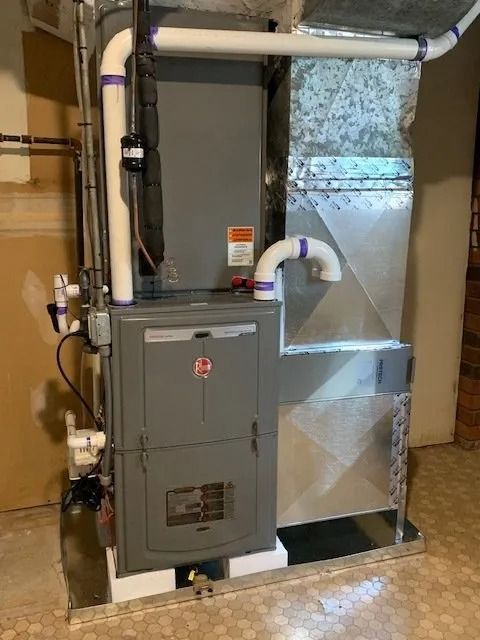
Furnace Warning Signs Hudson Homeowners Should Not Ignore
Hudson sits between Lenoir and Granite Falls in the heart of Caldwell County, and its position in the broader Catawba River valley means it gets the full range of western North Carolina winter weather. Cold fronts that drop temperatures into the low 20s are common from December through February, and the town sits close enough to the foothills that wind-driven cold can make already frigid nights feel significantly worse inside a home with a struggling heating system.
What makes furnace problems particularly frustrating here is how quietly they tend to develop. By the time most homeowners notice something is wrong, the system has usually been declining for a while. These are the signs that something needs attention:
- Furnace runs in short bursts and shuts off
- One or more rooms noticeably colder than others
- Grinding, rattling, or whining sounds during operation
- Smell of burning dust or something chemical from vents
- Flame sensor or ignitor failures at startup
- Energy bills climbing with no change in usage habits
- System running but indoor temperature not improving
None of these get better on their own. A furnace that is showing two or three of these symptoms at once is telling you it is close to a more serious failure, and cold-weather emergencies are always more stressful and more expensive than a scheduled repair.
CALL NOW!
How Hudson's Geography and Housing Stock Wear Down Heating Systems
Hudson developed largely as a residential community tied to the broader Caldwell County economy, and its housing reflects that history. The older streets on the west side of town near the downtown core and along the established neighborhoods off Hickory Boulevard contain a substantial number of homes built from the 1950s through the 1970s. Many of these homes have crawl space foundations that were standard construction at the time but create ongoing challenges for HVAC systems. Cold air settles under the floor in winter, and furnaces in these homes run harder and longer than they would in a better-insulated structure, accelerating wear on blower motors, heat exchangers, and ignition components.
The newer subdivisions that developed along the eastern corridors of Hudson during the 1990s and 2000s present a different set of issues. Systems installed during that period are now reaching the age where original components begin to fail in clusters. A heat exchanger that has been cycling through thermal expansion and contraction for 25 years starts to develop stress fractures. Blower motors that have never been serviced begin to draw more current than they should. Ignitors that have been used thousands of times start to fail intermittently before giving out entirely.
Hudson also sits in a corridor where late-fall and early-spring temperature swings are sharper than communities further into the piedmont. A week of mild weather followed by a sudden hard freeze in late November puts a particular kind of shock-load on heating systems that have been sitting idle through a warm stretch, and it is exactly the kind of event that causes latent problems to surface all at once.
What to Expect From Our Furnace Repair Service
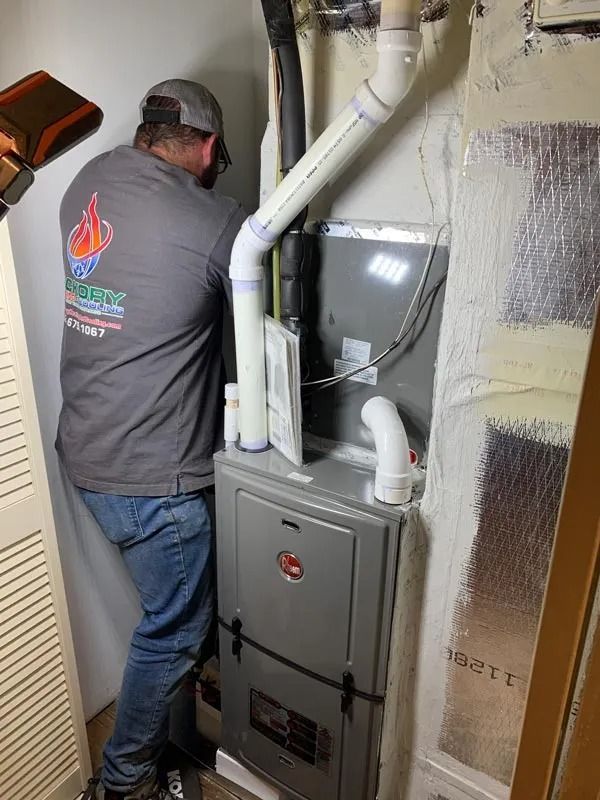
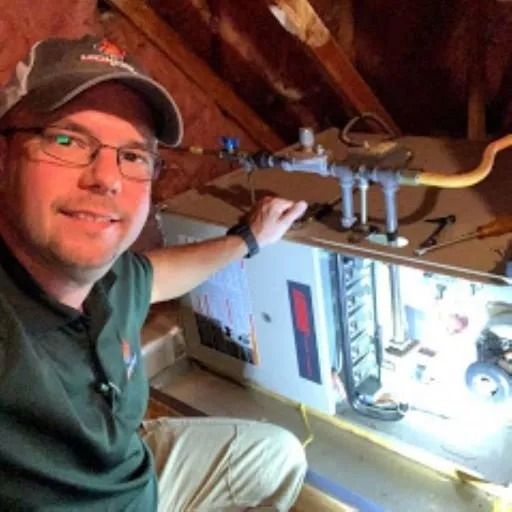
The first thing we do on every service call in Hudson is ask questions. How long has the system been behaving this way, what does the homeowner hear or smell when it runs, has anything changed recently with how the house holds heat. That information shapes the diagnostic before we ever open the unit, and it helps us find the actual root cause rather than treating the most obvious symptom.
From there we work through a thorough inspection covering ignitors, flame sensors, heat exchangers, blower assemblies, gas valves, control boards, and flue and venting connections. For older Hudson homes where ductwork integrity is a concern, we also evaluate airflow and static pressure as part of the visit. A furnace that is mechanically repaired but venting into leaky ducts will still underperform, and we want homeowners to understand the full picture of what is affecting their comfort.
Every recommendation comes with a clear explanation and upfront pricing before any work begins. We do not pressure anyone to approve repairs on the spot, and if the honest assessment is that a repair does not make sense for a system of a certain age and condition, we will say so plainly.
A Midwinter Call Off Connelly Springs Road
Kevin called us on a Monday morning in January after spending a cold weekend trying to figure out why his furnace kept running but never seemed to get the house above 62 degrees. He lived in a two-story home in a subdivision off Connelly Springs Road, part of a development built in the mid-1990s that makes up a significant share of Hudson's residential footprint on the eastern side of town. The system was running, the thermostat was set to 70, and nothing was making sense.
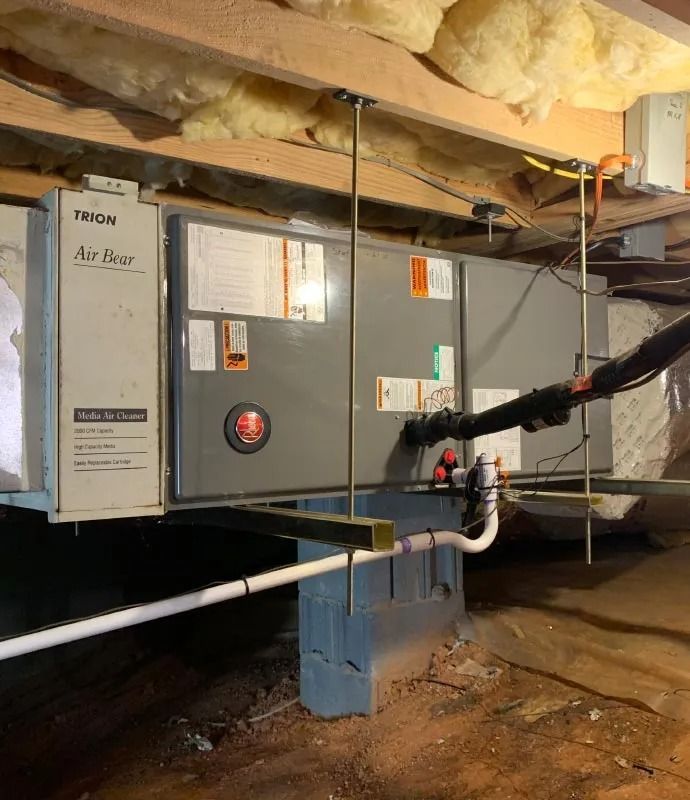
When our technician arrived and pulled the blower compartment, the motor was running significantly below rated speed due to a failing capacitor that had been degrading for an unknown period. At reduced blower speed, the heat exchanger was overheating and tripping the high-limit switch repeatedly, which explained why the system never sustained a full heating cycle. The capacitor was replaced, the blower speed was confirmed back to specification, and the heat exchanger was inspected for stress damage from the repeated high-limit trips.
Kevin said the system had seemed a little sluggish since the previous winter but he had not thought much of it. That kind of gradual blower decline is one of the more common things we find in mid-1990s systems in Hudson, and it is almost always caught during a routine maintenance visit before it becomes a weekend without heat in January.
Why Hickory Heating & Cooling Repair LLC Is the Right Call
Hudson is a community where neighbors talk, and we have built our presence here the same way we build it everywhere: by doing good work, being straight with people, and leaving every home in better shape than we found it. Here is what Hudson homeowners get when they call us:
- Emergency service available
- Honest, upfront pricing
- No-mess, respectful technicians
- Maintenance plans offered
- Energy-efficient solutions
- Personalized system evaluations
- Long-term comfort focus
We are not here to sell you something you do not need. We are here to fix what is wrong and make sure it stays fixed.