Furnace Repair in Conover, NC
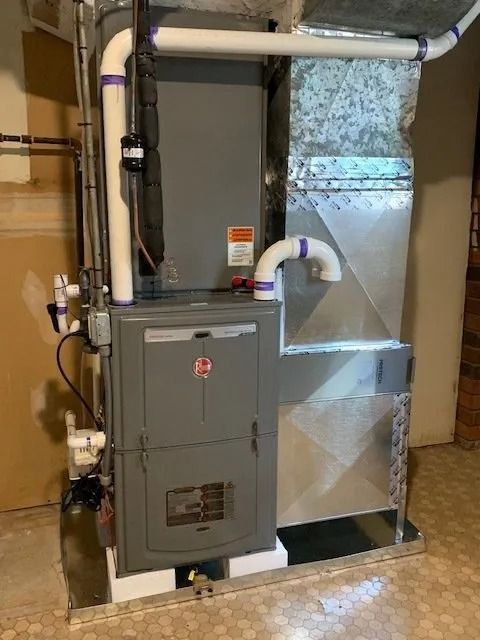
Warning Signs Your Furnace Needs Attention
Conover sits right in the heart of Catawba County, and while it does not see the mountain extremes of communities to the west, cold snaps in January and February can push overnight lows into the teens. A furnace that has been limping along through the milder weeks of fall often makes its problems known the moment the temperature drops hard and fast.
Most furnaces will tell you something is off before they quit completely. Keep an eye out for these signs:
- Heat that cuts out mid-cycle
- Cold spots in certain rooms
- Rattling or grinding at startup
- Burning smell from vents
- Pilot light won't stay lit
- Energy bills climbing without explanation
- System running but not warming the house
Catching these early is almost always cheaper than dealing with a full breakdown. If your furnace is showing any of these signs heading into a cold week, it is worth making that call sooner rather than later.
CALL NOW!
What Goes Wrong With Furnaces in Conover Homes
Conover's growth over the past few decades means the local housing stock covers a wide range of ages and construction styles. Neighborhoods developed in the 1980s and 1990s along the Conover Boulevard and Rock Barn Road corridors tend to have systems that are now reaching the end of their expected service life. Original equipment in homes of that era was not designed to run indefinitely, and by the time these systems hit 20 or 25 years, the wear shows up in predictable ways: cracked heat exchangers, failing blower motors, and ignitors that no longer fire reliably.
The flat terrain and open residential layouts common in Conover also mean homes are more exposed to wind-driven cold during winter weather events. That kind of sustained cold-air infiltration forces furnaces into longer, harder run cycles, which accelerates wear on components that might otherwise last another few seasons.
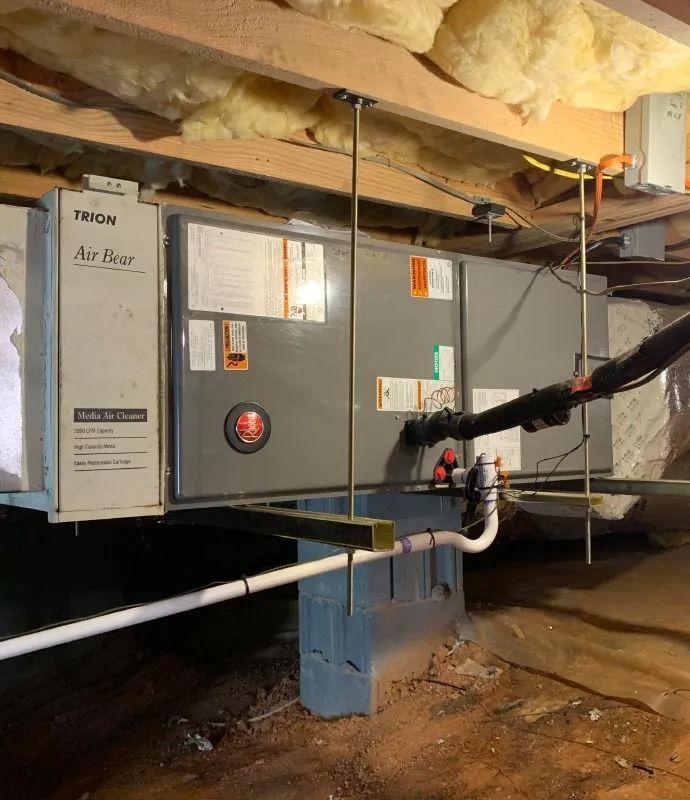
Humidity is another constant factor in this part of Catawba County. The area sits low enough that moisture lingers through much of the year, particularly in crawl spaces and utility areas where furnaces are often installed. That environment is hard on burner components and gas valves over time, and it is one of the more common things we find when we open up a system that has been struggling.
What Our Furnace Repair Service Covers
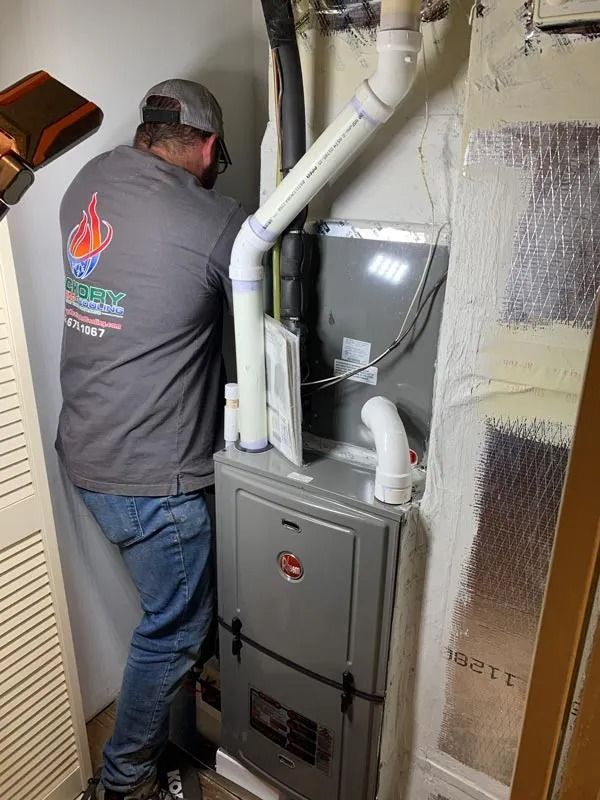
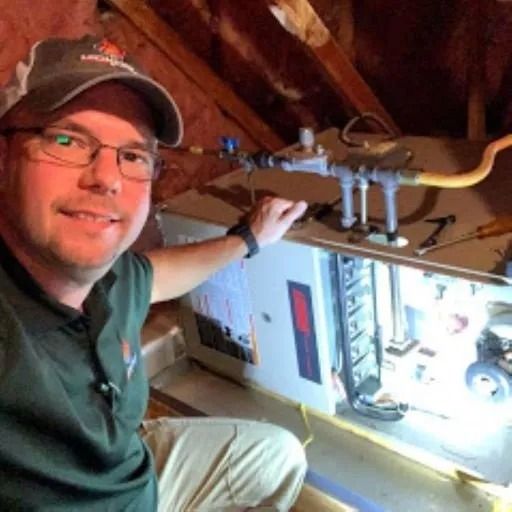
Every service call we run in Conover starts with a proper diagnosis. We look at the full system before recommending anything, because a lot of furnace problems have more than one contributing cause. Replacing the obvious part without understanding why it failed often means the same issue comes back within a season.
We handle ignitor and flame sensor replacements, heat exchanger inspections, blower motor diagnostics and repair, thermostat troubleshooting, gas valve testing, and control board evaluation. For homes with older ductwork, we also check airflow and static pressure, since a system that is mechanically sound can still underperform if the distribution side is compromised.
Pricing is presented before we start any work, and we walk every customer through what we found and why we are recommending what we are recommending. There is no pressure to approve anything on the spot, and we will always give you an honest read on whether a repair makes sense relative to the age and condition of the system.
A February Morning Off Conover Boulevard
Terry called us on a Friday morning in early February after his furnace ran all night without ever getting the house above 60 degrees. He lived in a split-level home in a subdivision just off Conover Boulevard, built in the late 1980s and still on its original heating system. The thermostat was set to 70, the system was running, but something was clearly not right.
When our technician arrived and pulled the panel, the heat exchanger showed early stress cracking consistent with years of thermal expansion and contraction. The blower was also moving air sluggishly, partly due to a worn motor bearing and partly due to a filter that had not been changed in well over a year. Together, those two issues were enough to keep the system from ever reaching set temperature, even running continuously.
We laid out the options clearly: repair the immediate issues now and monitor the heat exchanger, or weigh the cost of continued upkeep against a newer, more efficient system. Terry opted to address the blower and filter situation first and schedule a follow-up to reassess the exchanger. The house was warming properly by early afternoon. He told us afterward that he had been putting off a tune-up for two winters running, and that the honest breakdown of his options was exactly what he needed to make a decision without feeling pressured.
Why Hickory Heating & Cooling Repair LLC Is the Right Call
We have built our reputation on being straight with people, showing up when we say we will, and leaving a job site the way we found it. Conover homeowners can expect the same level of care we bring to every community we serve.
Here is what sets us apart:
- Emergency service available
- Honest, upfront pricing
- No-mess, respectful technicians
- Maintenance plans offered
- Energy-efficient solutions
- Personalized system evaluations
- Long-term comfort focus
Whether it is a quick repair or a bigger conversation about your system's future, we treat every visit like it matters, because to the person living in that house, it does.