Furnace Repair in Catawba, NC
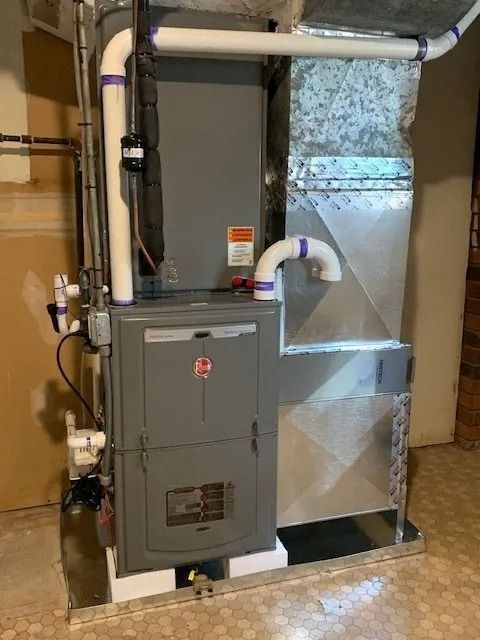
Signs Your Furnace Is Struggling Before It Stops Working
Catawba is one of the more rural communities in Catawba County, and the open farmland and wide lots that define its landscape also mean there is very little shelter from winter wind when a cold front moves through. Homes here sit exposed in ways that more densely developed communities are not, and a furnace that is already operating below its potential will feel that exposure quickly. The gap between a house that stays comfortable and one that cannot get above 60 degrees on a hard February night often comes down to whether the heating system has been attended to or quietly ignored.
The furnace usually signals its own decline before it quits entirely. These are the signs worth taking seriously:
- System kicks on but shuts off after a few minutes
- Air from vents feels lukewarm rather than warm
- Persistent smell of something burning that does not clear
- Knocking or metal-scraping sounds during operation
- Parts of the house that never warm up regardless of thermostat setting
- Thermostat cycling more frequently than normal
- Monthly gas or propane costs rising mid-season without explanation
In a rural setting like Catawba where service calls may take a little longer to schedule during a cold snap, getting ahead of these warning signs before winter sets in is especially worth the effort.
CALL NOW!
How Catawba's Rural Character and Climate Wear on Heating Systems
The open agricultural land around Catawba creates wind exposure conditions that most suburban communities do not deal with. On a clear January night with a northwest wind behind a departing cold front, homes on rural lots in this part of Catawba County experience a wind chill effect that forces furnaces to run longer and more frequent cycles than the raw temperature alone would suggest. That kind of sustained demand accelerates wear on blower motors, heat exchangers, and ignition assemblies in a way that shows up years earlier than in more sheltered locations.
A large portion of Catawba's housing stock is older rural construction, much of it built between the 1940s and the 1970s on working farm properties or on the residential lots that developed around them. These homes were built for durability rather than energy efficiency, and many still have their original duct configurations running through unconditioned spaces beneath the floor or between the walls. On a windy winter night, cold air infiltration through gaps in the building envelope adds to the load the furnace is already carrying, and the combination of duct loss and envelope leakage means the system has to produce substantially more heat than the thermostat setting would imply just to maintain livable conditions.
Propane is also common in this part of the county where natural gas infrastructure does not reach. Rural propane systems in Catawba face specific challenges during hard freeze events, including regulator issues that develop when temperatures drop sharply overnight and fuel delivery pressure falls outside the range the system needs to operate correctly. These failures are silent and sudden, and they are one of the more common reasons we get called to rural Catawba properties on cold mornings when the furnace simply will not fire.
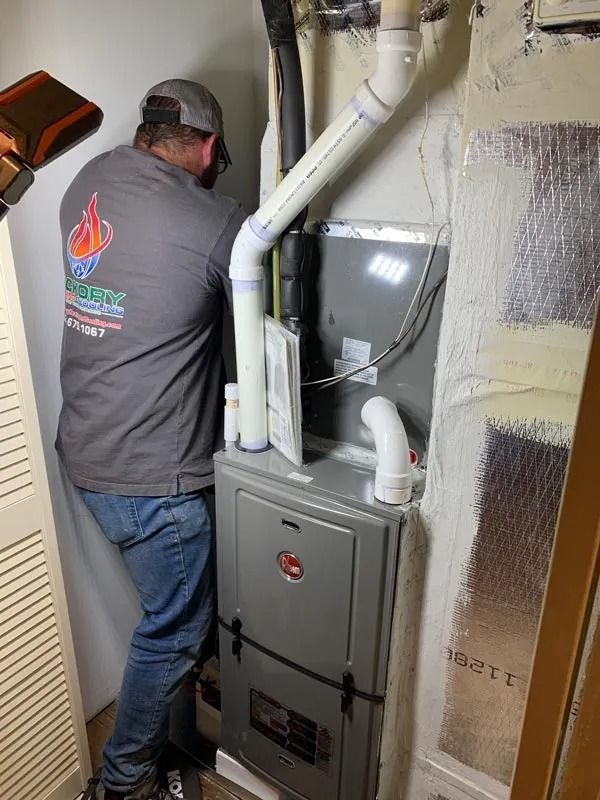
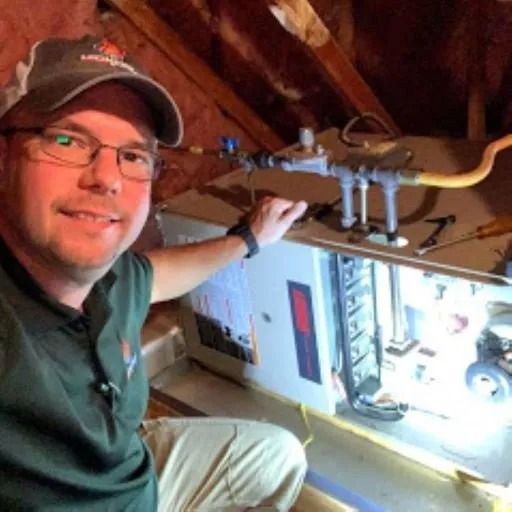
What Our Furnace Repair Service Covers
Out in a community like Catawba, we know that a service call is not always a quick drive from anywhere, and we show up prepared to handle what we find without needing to make multiple trips. That means arriving with the diagnostic tools and the most commonly needed parts for the types of systems we see in this part of the county, whether that is a propane setup on a rural lot or an older forced-air system in a mid-century farmhouse.
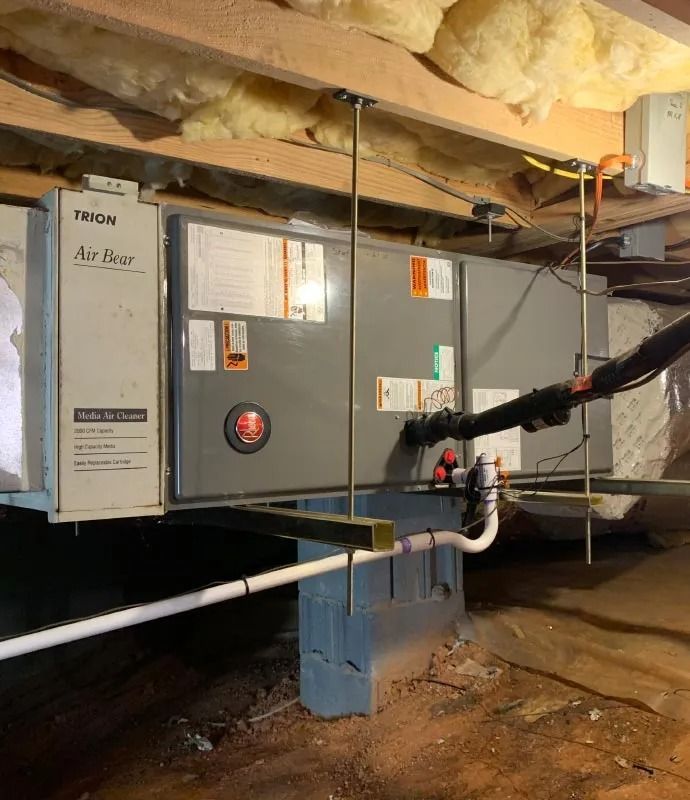
Our repair work covers the full diagnostic and repair range: ignitor and flame sensor service, heat exchanger inspection, blower motor and capacitor replacement, gas valve and propane pressure regulator testing, control board diagnostics, and flue and venting checks. In rural homes where the building envelope and duct system contribute significantly to the heating load, we also evaluate static pressure and airflow so the homeowner has a complete picture of what is working against their comfort, not just what is wrong with the furnace itself.
Pricing is communicated before any work begins, findings are explained in plain language, and we never recommend a repair or replacement that is not genuinely in the homeowner's interest. That is true whether the job is a simple flame sensor cleaning or a more involved component replacement.
A Late-Season Call on a Catawba Farm Road
Gary called us on a Thursday morning in early March after his propane furnace had stopped firing the previous evening. He lived on a rural property off one of the farm roads east of the Catawba town area, in a single-story home built in the late 1950s that had been updated over the decades but still relied on its original duct layout beneath the floor. The propane tank was at about 40 percent, so supply was not the issue, but the system was not responding to thermostat calls at all.
When our technician arrived and worked through the system, the problem was a combination of two things. The first was a pressure regulator at the tank that had stiffened in the overnight cold and was not allowing gas to flow at the operating pressure the furnace required. The second was a control board relay that had been intermittently failing for an unknown period and had finally stopped closing entirely, which meant even after the regulator issue was addressed, the system would not have fired correctly on its own.
Both components were replaced, the system was run through a full test sequence, and the house was back to a comfortable temperature by late morning. Gary said the furnace had been occasionally hesitating at startup through the winter but he had assumed it was just the cold. In rural propane systems in this part of Catawba County, that kind of hesitation is often the first sign of a regulator that is starting to go, and catching it in the fall rather than on a March morning would have made for a much simpler visit.
Why Hickory Heating & Cooling Repair LLC Is the Right Call
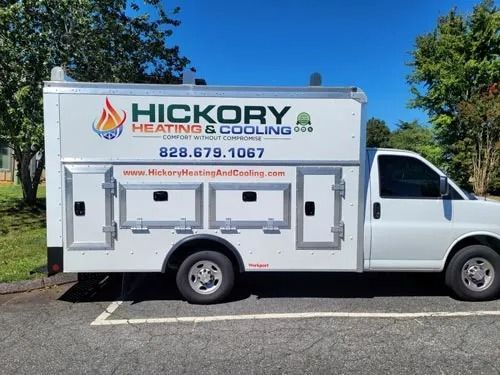
Rural homeowners in Catawba need a company that takes the drive seriously and shows up ready to work, not one that treats a call outside the city limits as an inconvenience. We serve this community with the same commitment we bring to every job.
Here is what Catawba homeowners can expect from us:
- Emergency service available
- Honest, upfront pricing
- No-mess, respectful technicians
- Maintenance plans offered
- Energy-efficient solutions
- Personalized system evaluations
- Long-term comfort focus
We understand the demands of rural heating systems and the specific conditions that come with open-land exposure, older construction, and propane fuel. That knowledge makes a difference on every service call.